Bullet journals blend analog charm with digital flexibility, enabling users to craft personalized planners in PDF form. They combine rapid logging, habit tracking, and calendar integration, offering a versatile, portable format that can be shared, printed, or edited across devices. Perfect for daily planning!!!

Evolution of Bullet Journals into Digital PDFs
The evolution from paper‑based bullet journals to digital PDFs keeping ink strokes intact while enabling email cloud sharing. As PDF readers added annotation tools, designers embedded interactive checkboxes, hyperlinks, and fill‑able fields, turning static pages into dynamic planners. Vector‑based design software like Adobe Illustrator andfree alternatives such as Inkscape allowed creators to craft scalable templates that maintain crisp lines on any screen. Mobile apps introduced export features that automatically convert in‑app layouts to PDF, making it effortless to print or share. By 2024, community forums and design marketplaces flooded with ready‑made PDF bundles, offering everything from minimalist grids to elaborate habit‑tracker sheets. This democratization of design tools empowered hobbyists and professionals alike to remix, customize, and distribute their own journal PDFs, fostering a vibrant ecosystem of shared resources.
The rise of vector‑based design software andthe proliferation of free tools like Inkscapeand Canva have lowered the barrier to entry, allowing anyone to create polished PDF templates. Designers now embed interactive elements—checkboxes, hyperlinks, and fill‑able fields—so that the journal can be used both as a planner and a data‑collection tool. AI‑driven layout assistants predict user preferences, suggesting page structures that match past usage patterns. Cloud‑based collaboration platforms enable multiple editors to tweak a single PDF simultaneouslyintegration in, while version control ensures that changes are tracked. These advancements have made the digital bullet journal a flexible, collaborative medium that retains the simplicity of the original analog format and seamless integration.
In sum,digital PDFs preserve the core of bullet journaling while adding flexibility, collaboration, accessibility for users now
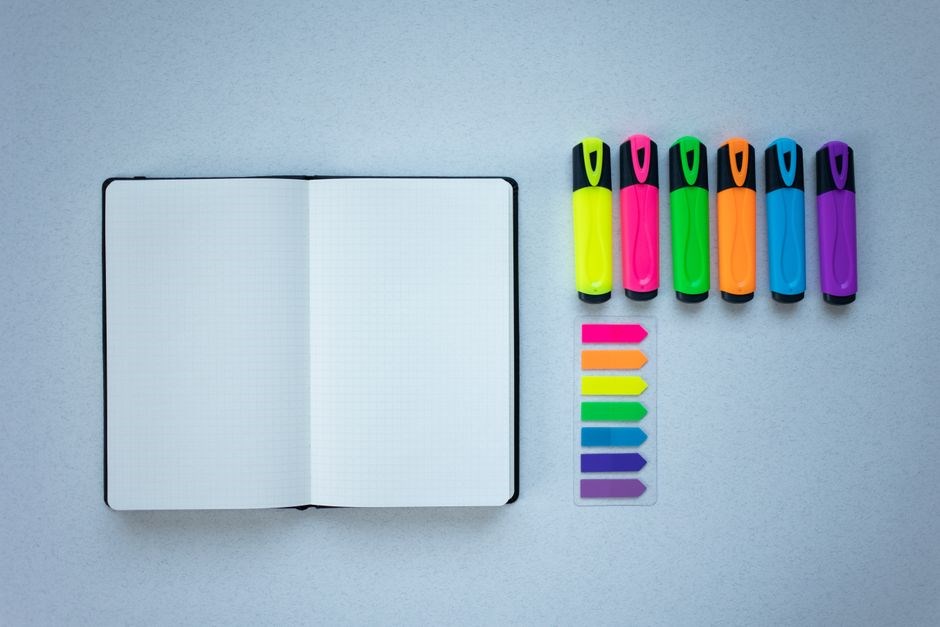
Benefits of Using Bullet Journal PDFs
Bullet journal PDFs combine the tactile satisfaction of analog planning with the convenience of digital distribution. Users can design a single master template, export it as a PDF, and then share or print it across devices without losing formatting. Because PDFs preserve vector graphics, the layout remains crisp on any screen size or paper weight, ensuring that grids, habit trackers, and bullet lists stay legible and consistent.
Collaboration is another key advantage. Multiple team members can annotate the same PDF, add comments, or fill in checkboxes, making it ideal for shared project boards or patient handover tables. Cloud services like Google Drive or SharePoint allow real‑time syncing, so updates propagate instantly. The ability to embed hyperlinks and interactive fields turns a static planner into a semi‑interactive workflow that can link to calendars, task lists, or external resources.
Finally, PDFs offer long‑term archival benefits. Unlike cloud‑only apps that may change or disappear, a PDF file can be stored locally or on any backup system, guaranteeing that the journal’s history remains accessible. The format’s universal compatibility means it can be opened on Windows, macOS, Linux, iOS, or Android, ensuring that users never lose access to their planning data, no matter the platform.
Whether you prefer a minimalist grid or a layout, PDF bullet journals empower users to maintain consistency devices, preserve data integrity, and enjoy the freedom to adapt their system to evolving goals.

Key Features of a Bullet Journal PDF
Bullet journal PDFs are engineered to deliver a blend of structure and flexibility. A core feature is the master template, which can be customized with pre‑defined grids, habit trackers, and monthly calendars that remain consistent across every page. Because the PDF format preserves vector graphics, the layout stays crisp whether viewed on a tablet, printed on A4, or displayed on a phone screen. Interactive elements such as checkboxes, radio buttons, and form fields allow users to tick tasks directly, while hyperlinks can connect to external calendars or project boards. Collaboration is streamlined: multiple users can annotate the same file in real time, add comments, or fill in fields, and cloud services like Google Drive or SharePoint keep all changes synchronized. Exporting to PDF also ensures long‑term archival; the file can be stored locally or on any backup system, guaranteeing that the journal’s history remains accessible even if the original software changes. Finally, the universal compatibility of PDFs means the planner can be opened on Windows, macOS, Linux, iOS, or Android, allowing users to switch devices without losing formatting or data integrity. These features make a PDF bullet journal a powerful tool for personal productivity, team coordination, and data preservation. PDFs can embed multimedia, letting users attach images or videos directly within pages. All these capabilities combine to create a versatile, durable and adaptable planning system that meets the demands of modern workflows.

Popular Software for Creating Bullet Journal PDFs
Designing a bullet‑journal PDF can be accomplished with tools ranging from free online editors to professional desktop applications. Adobe Acrobat Pro DC remains the industry standard for creating PDFs now; its form‑field wizard, PDF‑to‑PDF/A conversion, and extensive font support let designers embed checkboxes, drop‑down lists, and custom icons. Affinity Publisher offers a cost‑effective alternative, providing a robust page‑layout engine, vector drawing tools, and seamless export to PDF while preserving layers. Canva’s web‑based platform has surged in popularity; its drag‑and‑drop interface, thousands of pre‑made templates, and real‑time collaboration features let non‑designers assemble habit trackers, monthly grids, and inspirational quotes, then export the finished layout as a clean PDF. For users who prefer open‑source solutions, Scribus delivers a powerful, free desktop publishing suite that supports PDF/A output, precise grid control, and the ability to embed images and vector graphics. On mobile, GoodNotes and Notability on iPad provide a hybrid approach: users can sketch or type directly onto a PDF, annotate with stylus, and later export the annotated file back to a PDF for sharing. Finally, specialized journaling apps such as Obsidian with the “PDF Export” plugin or the “Journify” add‑on for Microsoft OneNote allow users to combine markdown notes with PDF generation, enabling a seamless workflow from note‑taking to printable planner. These PDFs also support embedded hyperlinks, enhancing navigation across pages. Users can export to Word or Excel for further manipulation. Files are compliant and PDF/A.
Step-by-Step Guide to Designing a Bullet Journal PDF
Choose a template. 2. Add pages. 3. Insert calendar. 4. Add habit trackers. 5. Customize layout. 6. Export PDF. 7. Share or print. 8. Review for consistency. 9. Save with versioning. 10. Backup to cloud. 11. Share via email or cloud link. 12. Collect feedback and iterate 13. Archive final version Thak now
Choosing a Template
When designing a bullet journal PDF, the first decision is selecting a template that aligns with your workflow. A good template balances structure and flexibility, offering pre‑designed sections for daily logs, monthly calendars, habit trackers, and goal sheets. Start by reviewing popular online repositories such as Etsy, Gumroad, or free resources on Reddit’s r/BulletJournal. Look for templates that use clean typography, ample white space, and a grid layout that supports both handwritten and digital input. Pay attention to the file format: PDFs with editable layers (AcroForm) allow you to type directly, while static PDFs are ideal for printing. Consider the page size—A4 or Letter—based on your printing preferences. If you plan to collaborate, choose a template that supports shared annotations, such as those created in Adobe InDesign or Canva. Finally, test a few options by printing a sample page and filling it out; this will reveal any usability issues before you commit to a full design. A well‑chosen template sets the foundation for a productive, personalized bullet journal PDF.
Provide guidance on customizing colors, fonts, and icons to match personal style. Mention using PDF editors like Adobe Acrobat Pro, Foxit, or free tools such as PDF-XChange Editor. Many templates allow layering, so you can add your own stickers without altering the layout. This flexibility encourages experimentation while keeping the core structure intact. Add stickers here!! and!!!
Adding Pages and Layouts
When expanding a bullet journal PDF, the ability to insert pages and customize layouts is essential. Most PDF editors allow you to duplicate existing pages, insert blank sheets, or import external designs. Begin by selecting the “Insert Page” function in Adobe Acrobat Pro or the “Add Page” option in Foxit. For a consistent look, use the same page size and orientation as the template. If you need a monthly spread, duplicate the monthly calendar page and rename the header. To create a new layout, use the “Edit PDF” tool to add text boxes, lines, or shapes. Many creators prefer a grid system; you can overlay a transparent grid by importing a PNG layer and locking it behind the text. This ensures that entries align neatly. When adding habit trackers, use tables or checkboxes that can be ticked digitally. For collaborative projects, consider adding a “Shared Notes” page with a large text area for comments. Remember to save each iteration as a new PDF to preserve previous versions. Finally, test the flow by printing a few pages to confirm that margins and bleed settings are correct before finalizing the document. Additionally, you can insert page numbers automatically by using the “Header & Footer” feature, which keeps the numbering consistent across all pages. If you plan to share the PDF online, enable the “Password Protection” setting to restrict editing while allowing viewers to annotate. Add 2. When working with multiple contributors, use the “Track Changes” function to monitor edits and revert to earlier drafts if necessary.
Inserting Calendar and Habit Trackers
Adding a calendar to a bullet journal PDF transforms a static layout into a dynamic planning tool. Begin by selecting a pre‑made monthly or weekly spread from a template library, then import it into your PDF editor. Most editors let you drag the spread onto a new page, preserving vector quality. Once placed, replace the placeholder dates with a live calendar plugin or a static image that updates automatically each month. For habit tracking, create a grid of squares or circles—each cell represents one day. Use the “Table” tool to generate a 7‑column layout for weeks, then fill each cell with a checkbox or a small circle. Many designers embed a “Habit Tracker” script that allows you to tick boxes directly in the PDF; this requires the PDF to be saved with form fields enabled. To maintain consistency, lock the grid layer behind the text layer so that entries do not overlap. If you prefer a more artistic approach, overlay a translucent watercolor background and use a custom brush to draw the tracker. Remember to add a legend explaining symbols (✓ for completed, X for missed). For advanced users, export the tracker as an interactive form and embed JavaScript that calculates streaks or total completions. Finally, test the PDF on multiple devices—desktop, tablet, and mobile to ensure that the calendar updates correctly and that form fields remain responsive. When sharing the file, consider adding a “Print‑Friendly” option that hides interactive elements for hard‑copy use. The integration of these tools not only enhances productivity but also encourages a mindful approach to daily routines, allowing users to reflect on progress, adjust strategies, and celebrate milestones in a visually engaging format that blends practicality with personal expression. and fosters a sense of accomplishment!… It keeps plans clear and progress visible glance!

Customizing Layouts and Themes
Tailoring a bullet journal PDF starts with choosing a base template that aligns with your workflow. Once you import the template into a PDF editor, you can modify margins, grid spacing, and column widths to accommodate different note densities. Use the “Layer” feature to separate background, text, and form fields, allowing you to lock certain elements while editing others. For a cohesive aesthetic, select a color palette that reflects your mood or brand; many designers use muted neutrals for focus or vibrant hues for motivation. Apply a consistent font family—sans‑serif for readability, serif for a classic feel—and set heading sizes that create a clear visual hierarchy. To add texture, overlay a subtle paper grain or watercolor wash using a semi‑transparent layer; this adds depth without compromising legibility. Interactive PDFs benefit from form fields that can be styled: change border colors, fill colors, and font styles directly within the field properties; When designing habit trackers, consider using icons or emojis to represent different habits; these can be inserted as vector shapes that scale cleanly; For recurring tasks, create a “Task List” page with checkboxes that can be ticked in the PDF; link these to a summary page that aggregates completed items. If you prefer a minimalist look, reduce visual clutter by hiding grid lines and using a single accent color for highlights. Finally, test the PDF on multiple devices—desktop, tablet, and mobile—to ensure that the layout adapts to various screen sizes and that interactive elements function as intended for daily use and in

Integrating Calendar and Habit Tracking
Integrating calendar and habit tracking into a bullet journal PDF turns a static planner into a dynamic productivity hub. Start by inserting a monthly calendar grid that spans the top of each page; use a table with 7 columns and 5 rows, leaving room for month labels and day numbers. Below the calendar, create a habit tracker matrix: rows list habits, columns represent days. Use checkboxes or small circles that can be filled manually or via form fields. For advanced tracking, link each habit cell to a hidden summary page that tallies completions; this can be done by embedding a script that counts checked boxes and updates a total. To keep the layout clean, use a consistent color scheme: soft pastels for the calendar background, bold colors for habit icons, and a neutral tone for text. Incorporate a “Goals” section where you set monthly objectives; link these to the habit tracker so that achieving a habit automatically increments a progress bar. Finally, ensure the PDF is responsive by setting page size to A4 and using relative positioning; this allows the calendar and tracker to display correctly on both desktop and mobile readers, making daily planning effortless and visually engaging. To further enhance integration, consider embedding a dynamic calendar that updates automatically with the current month. This can be achieved by using JavaScript within the PDF to fetch the system date and adjust the calendar grid accordingly. Additionally, habit trackers can be linked to a master log page that aggregates data across weeks, allowing you to visualize streaks and patterns. For users who prefer a tactile experience, include printable sections with perforated lines for notes, and use a semi‑transparent overlay to indicate completed tasks without obscuring the underlying grid. Finally, test the PDF on multiple PDF viewers such as Adobe Acrobat, Foxit, and Preview to ensure that form fields, scripts, and color profiles render consistently across platforms; Enjoy the flow daily!!!.

Collaborative Editing and Sharing Options
Bullet journal PDFs can be shared and edited collaboratively through cloud services, ensuring real‑time updates and version control. Upload the PDF to a shared folder on platforms such as Google Drive, OneDrive, or SharePoint, and enable “edit” permissions for team members. When using SharePoint, the document can be embedded in a team site, allowing staff to comment and track changes. Convert the PDF to Google Docs; this preserves layout while adding comment threads. If you prefer a dedicated PDF editor, Adobe Acrobat DC offers a “Collaborate” feature that lets multiple users annotate, highlight, and add sticky notes, all of which sync across devices. Use a cloud‑based PDF editor like PDFescape or Foxit for real‑time co‑editing. Set security settings to restrict printing or copying if confidentiality is required. Create a shared template folder with the master PDF and blank pages; users duplicate, fill, and upload back. Automate notifications via Power Automate or Zapier; new or modified files trigger email or Slack alerts. This ensures everyone stays in sync and can review updates promptly, making collaborative bullet journaling both efficient and engaging. Additionally, you can embed interactive form fields that teammates can fill out directly, and use PDF bookmarks to navigate large journals quickly. When sharing via email, attach a password‑protected copy to safeguard sensitive entries. For teams that rely on task management, link the PDF to Trello or Asana cards so that updates in the journal automatically reflect in project boards. Finally, schedule regular syncs to archive older versions, ensuring the shared folder remains uncluttered while preserving a complete audit trail. Stay organized.

Printing and Physical Use of Bullet Journal PDFs
Printing a bullet‑journal PDF turns a digital design into a tangible tool. Use a high‑resolution printer and choose paper that matches the template’s size—8.5×11 for U.S. users or A4 for Europe. Set the scale to “fit to page” so the grid and trackers stay crisp. For durability, print on 200–250 gsm cardstock and laminate the pages; this protects against spills and wear. If you prefer a softer feel, select matte or semi‑gloss paper to reduce glare. After printing, bind the pages with a ring binder, spiral binding, or a simple glue‑back. Ring binders let you add or remove sheets, while spiral binding keeps the journal flat for writing. For a polished look, use a perfect‑binding machine or a local print shop’s binding service. Add a cover page with a title, date range, or decorative design to personalize the journal. If the journal is shared among teammates, print duplicate sets or use a shared binder in a common area. Maintain the journal by replacing worn pages, adding new habit trackers, or updating the calendar layout as needed. This cycle of print‑and‑reuse keeps the journal fresh and functional for months or years. Use a matte finish to reduce glare and enhance readability during long sessions daily!!

Exporting to Other Formats
Resources and Communities for Bullet Journal PDF Enthusiasts
For design‑centric guidance, InDesign‑Bullet‑Journal‑Templates on Behance showcases high‑resolution PDF layouts that are fully editable in Adobe InDesign. Users can remix the master files, export to PDF/A, or export to SVG for vector‑based web use. The PDF‑Design‑Forum on Stack Exchange offers answers to niche questions like preserving vector layers during conversion or embedding custom fonts in PDF/A.
Finally, the Bullet Journal PDF Academy on YouTube provides a playlist of step‑by‑step tutorials covering everything from basic PDF creation in Affinity Publisher to advanced scripting for automated habit trackers. The Academy’s accompanying PDF Guide is downloadable as a PDF and includes cheat sheets for common export settings.
Community members also share scripts for automating habit trackers, such as JavaScript snippets for Adobe Acrobat or Python scripts that convert PDF tables into CSV files for data analysis. Many creators host live Q&A sessions on Discord, where newcomers can ask about font embedding, color profiles, or how to maintain layout fidelity when scaling PDFs for different paper sizes. By engaging with these resources, users can keep their bullet‑journal PDFs fresh, functional, and aligned with productivity needs daily.