Neutral Safety Switch on Manual Transmission: A Comprehensive Guide
This detailed exploration examines the neutral safety switch’s role in manual transmissions, focusing on its history, operation, diagnostics, and preventative maintenance procedures for optimal vehicle safety.
The Neutral Safety Switch (NSS), sometimes called an inhibitor switch, is a crucial safety component within a vehicle’s transmission system. Its primary function is to prevent accidental engine starting when the transmission isn’t in Park or Neutral. This safeguard is particularly important in both automatic and manual transmission vehicles, though its implementation differs.
In manual transmissions, the NSS works in conjunction with the clutch pedal. It ensures the engine will only crank when the clutch is fully depressed, confirming the transmission is disengaged from the engine. This prevents the vehicle from lurching forward or backward unexpectedly upon ignition, protecting the driver and surrounding individuals. The NSS essentially acts as an intermediary, verifying a safe state before allowing the starter motor to engage. It’s a vital layer of protection built into modern automotive systems, enhancing overall vehicle safety and preventing potential damage.
Historical Development of NSS Technology
The concept of preventing unintended vehicle movement during starting emerged with the increasing complexity of automotive transmissions. Early implementations, dating back to the mid-20th century, were largely mechanical, relying on physical linkages to interrupt the starter circuit. These early neutral safety switches were relatively simple, often employing a direct connection to the gear selector or clutch pedal.

As automotive technology advanced, so did the NSS. The introduction of electronic systems allowed for more sophisticated designs. Electronic NSS units, beginning to appear in the late 20th century, utilized sensors and microprocessors to more accurately determine transmission position and clutch status in manual transmission vehicles. This transition improved reliability and allowed for integration with other vehicle systems. Modern NSS designs continue to evolve, incorporating enhanced diagnostic capabilities and fail-safe mechanisms, prioritizing both safety and driver convenience.
Core Functions of the NSS in Manual Transmissions

The primary function of the Neutral Safety Switch (NSS) in a manual transmission vehicle is to prevent accidental engine starting when the transmission isn’t in neutral or the clutch isn’t fully depressed. This crucial safety feature interrupts the starter circuit, safeguarding against unintended vehicle lurching or movement, potentially preventing collisions and injuries.
Beyond preventing unwanted starts, the NSS also plays a role in protecting the transmission itself. By ensuring the clutch is engaged before allowing the engine to crank, it minimizes stress on the transmission components. Furthermore, the NSS often provides input to the vehicle’s computer, enabling features like cruise control or launch control to function correctly. Essentially, it’s a vital link between the driver’s intentions and the vehicle’s mechanical systems, enhancing both safety and operational efficiency.
How the NSS Works with the Clutch Pedal
In a manual transmission, the Neutral Safety Switch (NSS) operates in direct conjunction with the clutch pedal. Unlike automatic transmissions which monitor park or neutral positions, the NSS in manuals requires full clutch pedal depression to complete the starting circuit. When the clutch pedal is pressed, it mechanically actuates the NSS, closing the electrical connection.
This closed circuit signals the vehicle’s starting system that it’s safe to engage the starter motor. If the clutch isn’t fully depressed, the switch remains open, preventing the starter from receiving power. This interlock system is critical; it ensures the engine won’t crank while the transmission is engaged in a gear, eliminating the risk of sudden, uncontrolled vehicle movement. The precise mechanism varies, but the core principle remains consistent: clutch down, circuit closed, engine starts.
Types of Neutral Safety Switches Used in Manual Vehicles
Neutral Safety Switches (NSS) in manual transmission vehicles broadly fall into two categories: mechanical and electronic. Mechanical NSS utilize a direct physical linkage to the clutch pedal or transmission. When the clutch is depressed, a lever or plunger physically closes an electrical circuit, allowing the starter to engage. These are typically simpler and more robust, but can be prone to wear and adjustment issues.

Electronic NSS, increasingly common in modern vehicles, employ sensors to detect clutch pedal position. These sensors send a signal to the vehicle’s computer (ECU), which then authorizes the starter. Electronic switches offer greater precision and reliability, often integrating with other vehicle systems. They can also provide diagnostic information. The choice between the two depends on the vehicle’s age, complexity, and manufacturer preferences.
Mechanical Neutral Safety Switches
Mechanical Neutral Safety Switches (NSS) represent a traditional approach to preventing unintended engine starts in manual transmission vehicles. These switches rely on a direct, physical connection between the clutch pedal and the starter circuit. When the clutch pedal is fully depressed, a lever or plunger mechanically closes a set of electrical contacts, completing the circuit and allowing the starter motor to engage.
Their simplicity makes them relatively inexpensive to manufacture and replace. However, mechanical NSS are susceptible to wear and tear over time, requiring periodic adjustment or replacement. Factors like cable stretch, linkage wear, and internal component fatigue can lead to intermittent operation or complete failure. Proper adjustment is crucial for reliable performance, ensuring the switch engages fully when the clutch is depressed.

Electronic Neutral Safety Switches
Electronic Neutral Safety Switches (NSS) represent a more modern and sophisticated approach to preventing unintended starts in manual transmission vehicles. Unlike their mechanical counterparts, these switches utilize sensors and electronic control units (ECUs) to determine clutch pedal position and transmission status. Typically, a sensor monitors the clutch pedal’s travel, sending a signal to the ECU.

The ECU then analyzes this signal, along with other data, to authorize or deny power to the starter motor. This system offers increased precision and reliability compared to mechanical switches, as it’s less prone to wear and adjustment issues. Electronic NSS can also integrate with other vehicle systems, providing enhanced diagnostic capabilities and potentially contributing to features like launch control or rev-matching.
Location of the NSS in Manual Transmission Vehicles
Determining the Neutral Safety Switch (NSS) location within a manual transmission vehicle can vary significantly depending on the manufacturer and model. However, it’s most commonly found mounted directly on the transmission itself, often near the shift linkage. Specifically, it’s frequently positioned where the clutch pedal mechanism interacts with the transmission.
In many vehicles, the NSS is integrated into the clutch pedal assembly, sensing the pedal’s full depression. Other locations include the gear shift selector rod or near the transmission’s input shaft. Accessing the NSS often requires working under the vehicle, so proper safety precautions are essential. Consulting a vehicle-specific repair manual is crucial for pinpointing the exact location and accessing the switch efficiently and safely.
Symptoms of a Failing Neutral Safety Switch
A failing Neutral Safety Switch (NSS) in a manual transmission vehicle manifests through several noticeable symptoms. The most common is difficulty starting the engine – it may crank intermittently or not at all, even with the clutch fully depressed. You might need to jiggle the gear shift or clutch pedal to find a ‘sweet spot’ for starting.
Another indicator is the inability to remove the key from the ignition, as the switch prevents this unless the transmission is in neutral. Erratic shifting or a feeling of resistance when selecting gears can also occur. In some cases, the vehicle may stall unexpectedly while driving. Ignoring these signs can lead to further complications, so prompt diagnosis and repair are recommended to maintain vehicle safety and functionality.

Common Causes of NSS Failure
Several factors contribute to Neutral Safety Switch (NSS) failure in manual transmission vehicles. Frequent and forceful clutch pedal operation, common in aggressive driving styles, accelerates wear and tear on the switch’s internal components. Environmental exposure to moisture, dirt, and road salt can corrode the electrical contacts, leading to intermittent or complete failure.
Mechanical wear from the linkage connecting the switch to the transmission is also a significant cause. Age and vibration contribute to loosening connections and internal breakage. Improper adjustment of the clutch cable or linkage can place undue stress on the NSS. Finally, manufacturing defects, though less common, can result in premature failure, highlighting the importance of quality replacement parts for lasting safety and reliability.
Diagnostic Procedures for NSS Issues
Diagnosing a faulty Neutral Safety Switch (NSS) requires a systematic approach. Begin with a visual inspection, checking for damaged wiring, loose connections, and corrosion around the switch. A common symptom is the inability to start the vehicle unless the clutch pedal is fully depressed.

Electrical testing is crucial. Using a multimeter to test for continuity through the switch in both neutral and clutch-depressed positions can pinpoint failures. An OBD-II scanner may reveal related trouble codes, though NSS issues don’t always trigger a dedicated code. Carefully observe if the issue is intermittent or consistent, as this guides further investigation. Confirm the clutch pedal is fully engaging the switch mechanism before concluding a fault lies within the NSS itself.
Using a Multimeter to Test the NSS
To test the Neutral Safety Switch (NSS) with a multimeter, disconnect the switch’s electrical connector. Set the multimeter to the continuity setting. With the transmission in neutral and the clutch pedal not depressed, test for continuity between the appropriate terminals – consult your vehicle’s wiring diagram. You should not have continuity.
Next, fully depress the clutch pedal and re-test the same terminals. Continuity should now be present, indicating the switch is functioning correctly when the clutch is engaged. If results differ, or no continuity is detected when expected, the NSS is likely faulty. Always double-check wiring diagrams for specific terminal assignments, as they vary by vehicle make and model. Ensure the ignition is off during testing.
OBD-II Scanner Diagnostics
While a failing Neutral Safety Switch (NSS) doesn’t always trigger a specific diagnostic trouble code (DTC), it can contribute to starting issues that do generate codes. Use an OBD-II scanner to check for codes related to the starting system, such as those indicating a problem with the starter relay or crankshaft position sensor. These may be secondary effects of a faulty NSS.
Some advanced scanners can perform specific output tests, allowing you to command the starter to engage while monitoring NSS input. Live data streams can reveal if the scanner recognizes the transmission position and clutch pedal status correctly. If the scanner shows inconsistent or incorrect data, suspect the NSS or its wiring. Remember to clear any codes after testing and re-evaluate.
Neutral Safety Switch Replacement: A Step-by-Step Guide
Step 1: Disconnect the negative battery cable. Step 2: Locate the NSS (typically on the transmission). Step 3: Carefully disconnect the electrical connector(s) from the NSS. Step 4: Remove any retaining clips or bolts securing the switch. Step 5: Gently remove the old NSS.
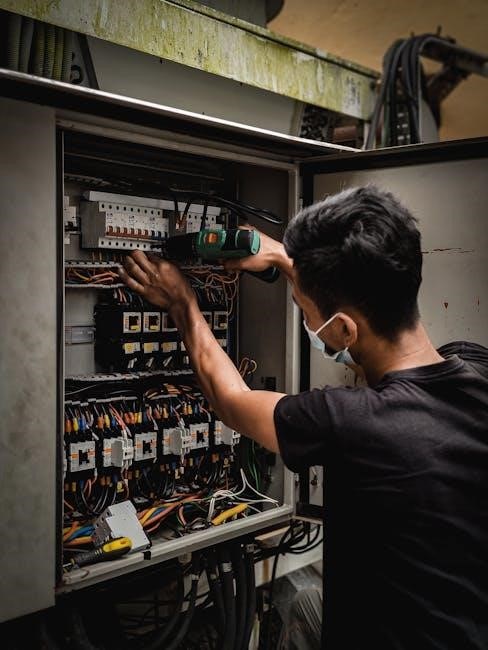
Step 6: Install the new NSS, ensuring proper alignment. Step 7: Secure it with the retaining clips or bolts. Step 8: Reconnect the electrical connector(s). Step 9: Reconnect the negative battery cable. Step 10: Test the starting system to confirm proper operation. Adjust the switch if necessary for smooth engagement, verifying functionality with the clutch pedal.
Safety Precautions During NSS Replacement
Prioritize Disconnection: Always disconnect the negative battery cable to prevent accidental shorts and electrical shock. Secure the Vehicle: Employ wheel chocks to firmly secure the vehicle, preventing any unintended movement during the replacement process. Handle with Care: Be mindful of sharp edges around the transmission and exhaust components.
Electrical Safety: Avoid touching exposed wiring or connectors. Inspect wiring for damage before reconnection. Proper Tools: Utilize appropriate tools to avoid damaging the NSS or surrounding components. Clutch Awareness: Keep the clutch pedal depressed during testing to prevent unexpected engine cranking. Post-Installation Check: Verify proper operation in a safe, open area before resuming normal driving conditions, ensuring complete functionality.
Cost of NSS Replacement (Parts and Labor)
Parts Costs: A new neutral safety switch for a manual transmission vehicle typically ranges from $30 to $150, depending on the vehicle make and model, and the switch’s quality (OEM vs. aftermarket). Labor Costs: Labor charges can vary significantly, generally falling between $80 and $250. This depends on the mechanic’s hourly rate and the vehicle’s accessibility.
Total Estimated Cost: Therefore, the total cost for NSS replacement, including both parts and labor, usually ranges from $110 to $400. Diagnostic Fees: If a proper diagnosis is needed before replacement, expect an additional $50 to $150 for diagnostic fees. Location Impact: Dealerships generally charge higher labor rates than independent repair shops. Always obtain a written estimate before authorizing any repairs.
Preventative Maintenance for the NSS
Regular Inspection: While the Neutral Safety Switch (NSS) isn’t typically a high-maintenance item, periodic visual inspections are beneficial. Check for any physical damage to the switch or its wiring harness during routine vehicle maintenance. Clutch Adjustment: Ensure proper clutch pedal adjustment; an improperly adjusted clutch can put undue stress on the NSS, leading to premature failure.

Cleanliness: Keep the area around the NSS clean and free of debris, moisture, and corrosion. This helps maintain reliable electrical connections. Avoid Force: When shifting gears, avoid excessive force, as this can transmit vibrations to the NSS. Professional Check: During scheduled transmission services, request a technician to briefly inspect the NSS’s functionality as a preventative measure.
Future Trends in Neutral Safety Switch Technology
Integration with Advanced Systems: Future NSS technology will likely integrate more seamlessly with advanced driver-assistance systems (ADAS) and vehicle control units. This could involve more sophisticated monitoring of transmission status and clutch engagement. Solid-State Switches: A shift towards solid-state NSS designs, eliminating mechanical contacts, is anticipated. These offer increased reliability, faster response times, and reduced susceptibility to wear and tear.
Self-Diagnostics: Expect NSS units with enhanced self-diagnostic capabilities, providing more detailed fault codes and predictive failure analysis. Wireless Communication: Potential for wireless communication of NSS data to the vehicle’s central computer for real-time monitoring and preventative maintenance alerts. Smart Sensors: Incorporation of smart sensors to detect subtle changes in clutch operation and transmission behavior, optimizing performance and safety.